
Black Rhino Return to Zimbabwe’s Matusadona National Park
A FULL-CIRCLE MOMENT FOR MATUSADONA
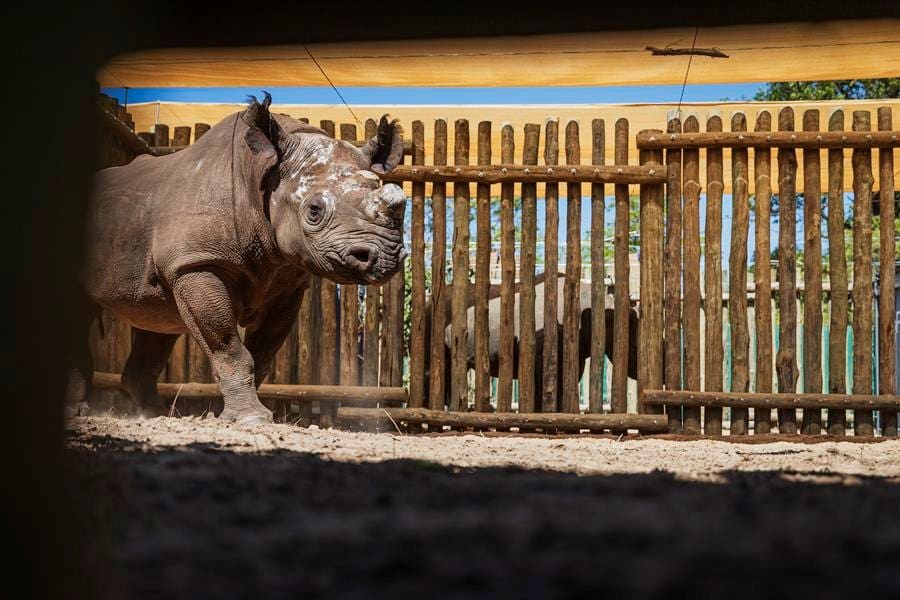
Matusadona National Park, Zimbabwe, 3 June 2026. A group of critically endangered black rhino has been reintroduced into Matusadona National Park, marking a full-circle moment for the park and a significant conservation milestone for Zimbabwe in recent decades.
This reintroduction marks the return of a species that once defined this landscape. Before the onset of organised poaching in the late 1980s and early 1990s, the Sebungwe region, with Matusadona at its centre, supported Zimbabwe’s largest contiguous population of black rhino. As the poaching crisis deepened, ZimParks decided to remove surviving animals from high-risk areas and relocate them to safer sites across the country.
That foresight proved critical. It ensured the species was safeguarded through one of its most difficult periods, preserving the genetic lineage of the animals from the region. Some of the translocated animals are direct descendants of those moved out of Matusadona more than three decades ago.
A COLLABORATIVE EFFORT TO BRING RHINO HOME
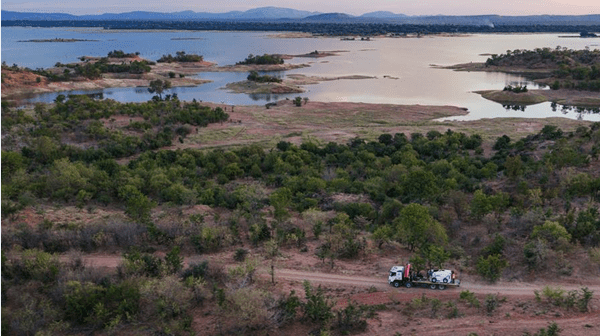
The animals, sourced from Imire Rhino and Wildlife Conservancy, Matobo National Park, and one other undisclosed location, were loaded into specially designed crates and airlifted to the park on the shores of Lake Kariba. The sustained effort and investment by organisations like Imire, Dambari Wildlife Trust and Matobo National Park in protecting these animals has been central to this moment; without their commitment, this return would not have been possible.
Following a period of close monitoring in purpose-built bomas, they will be released in phases into a secure 175-square-kilometre Intensive Protection Zone in the national park.
Each animal is fitted with a tracking device, enabling real-time monitoring and rapid response to any signs of stress or conflict after release.
This reintroduction directly supports Zimbabwe’s National Rhino Strategy by establishing a founder population that should, over the next 15 years, contribute to another metapopulation in the country.
A SHARED COMMITMENT TO CONSERVATION
The return of black rhino to Matusadona has been met with widespread support, from the communities of Nyaminyami who share the Park’s borders, to Zimbabweans across the country and conservation partners globally. Traditional leaders, including Chiefs Mola, Masampakaruma, Nebiri, and Negande, have played an active role throughout the process as strong advocates for the return of rhino to the landscape.
The operation was led by Matusadona National Park, the Zimbabwe Parks and Wildlife Management Authority (ZimParks) and African Parks. The translocation was made possible through generous institutional and philanthropic support from the European Union, Global Wildlife Fund and Thomas and Sara de Swardt, with funding for preliminary preparation provided by the Rhino Recovery Fund.
This moment represents not only the recovery of a species but the continued rebuilding of one of Zimbabwe’s iconic protected areas, made possible through long-term investment, strong partnerships, and sustained commitment on the ground. Since African Parks entered into a 20-year management agreement for Matusadona with the Zimbabwe Parks and Wildlife Management Authority in 2019, this collaborative approach has been supported by a dedicated group of long-term partners.
SUPPORTING THE FUTURE OF MATUSADONA
We gratefully acknowledge the Wyss Foundation, Stichting Natura Africae, the European Union, Thomas and Sara de Swardt, Global Wildlife Fund, Pangolin Crisis Fund, and the Elephant Crisis Fund, whose ongoing support for Matusadona has been instrumental in creating a safe, well-managed protected area for rhino to roam once more.